The Collection
Objects That Outlast
Their Makers
40 years of deliberate acquisition. 13 catalogued artefacts — each a manufactured argument about craft, culture, and the material history of West Africa.
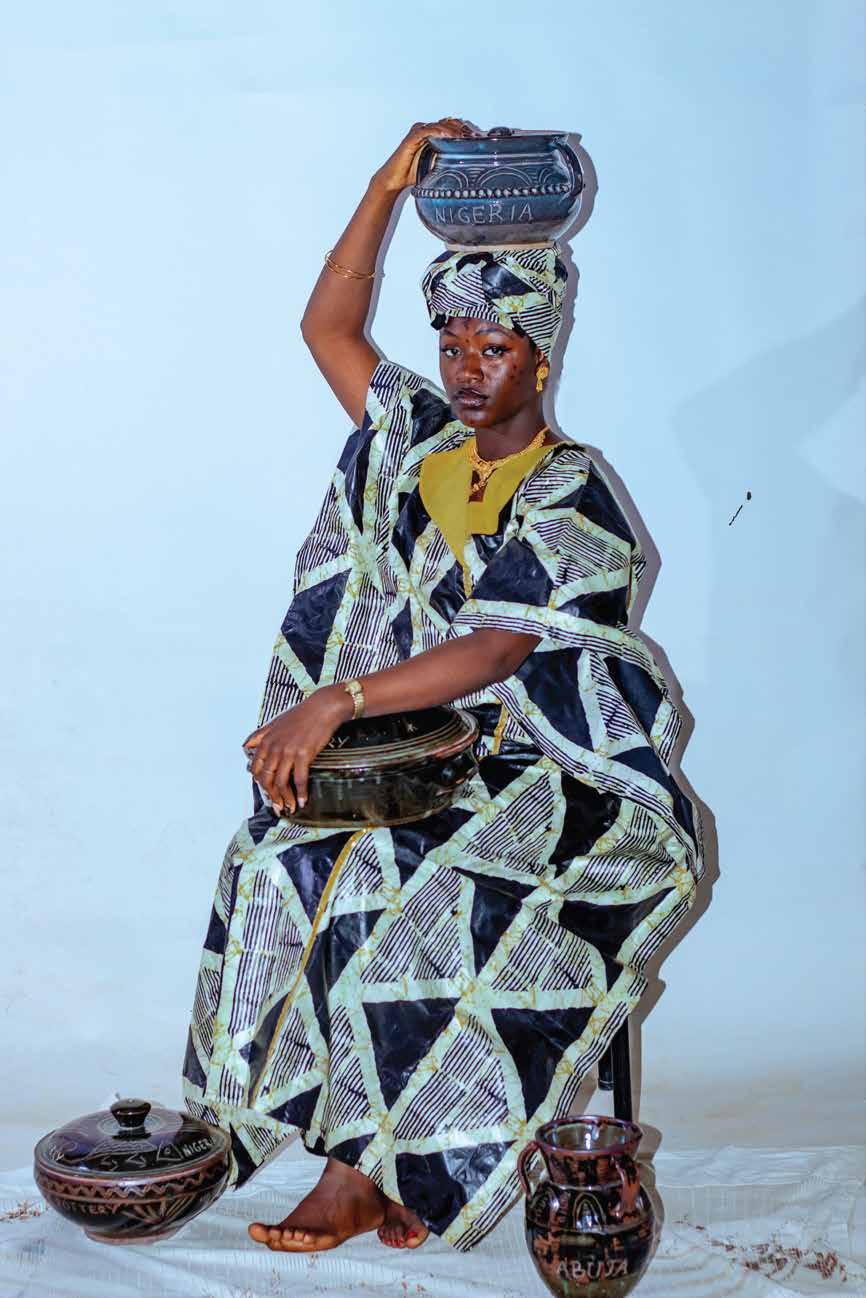
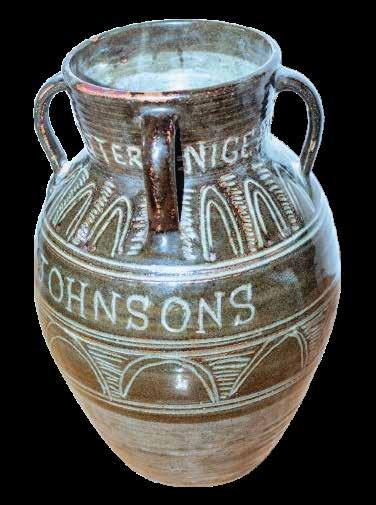
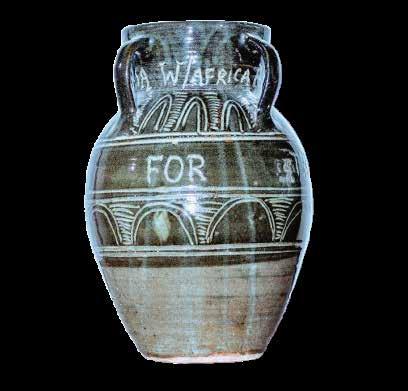
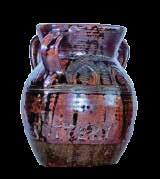
Artefact 2026.1.1
Ladi Kwali PotteryLargest Jar (Three Handles)
H: 14 cm · W: 29.5 cm · Mouth ⌀: 20 cm
Among the very few Ladi Kwali pieces acquired from the workshop in the 1980s, when the woman on the 20 Naira note was still alive, when Abuja was still Suleja.
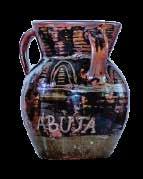
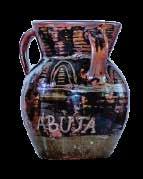
Artefact 2026.1.2
Ladi Kwali PotterySecond Largest Jar
H: 9.5 cm · W: 22.5 cm · Mouth ⌀: 17.5 cm
Glazed ceramic vessel from the Abuja Pottery Cooperative, bearing the distinctive Ladi Kwali mark.
Artefact 2026.1.3
Ladi Kwali PotteryThird Largest Jar
H: 9 cm · W: 21 cm · Mouth ⌀: 17 cm
Incised with the word ABUJA — a record of place made when the capital was still being imagined.
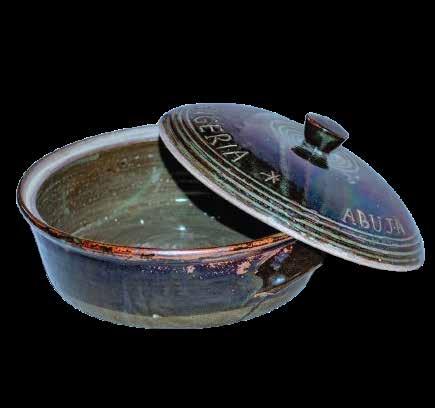
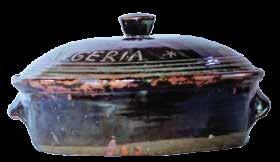
Artefact 2026.1.4
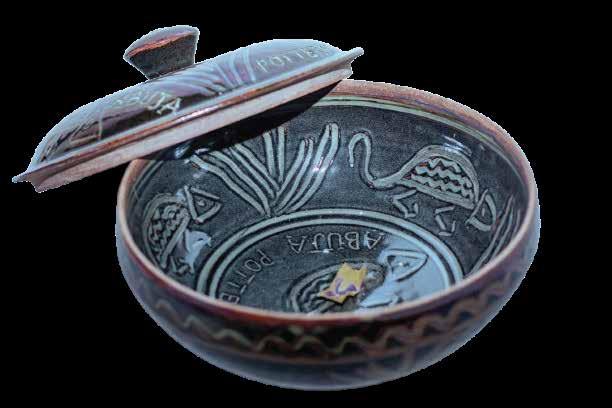
Ladi Kwali PotteryLargest Bowl with Lid
H: 4 cm · W: 38.5 cm · Depth: 4 cm · Lid ⌀: 13 cm
A broad, lidded serving bowl. The glaze catches light like gunmetal. NIGERIA inscribed on the lid.
Artefact 2026.1.5
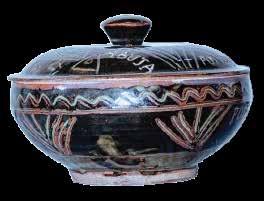
Ladi Kwali PotterySecond Largest Bowl with Lid
H: 5 cm · W: 34 cm · Depth: 4 cm
Compact and purposeful. The lid a near-perfect fit, sealed with decades of careful storage.
Artefact 2026.1.6
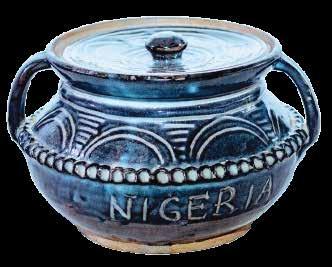
Ladi Kwali PotteryThird Largest Bowl with Lid
H: 7 cm · W: 31 cm · Mouth ⌀: 25 cm · Lid ⌀: 23 cm
The deepest bowl in the pottery series. NIGERIA incised boldly around the body.
Artefact 2026.1.7
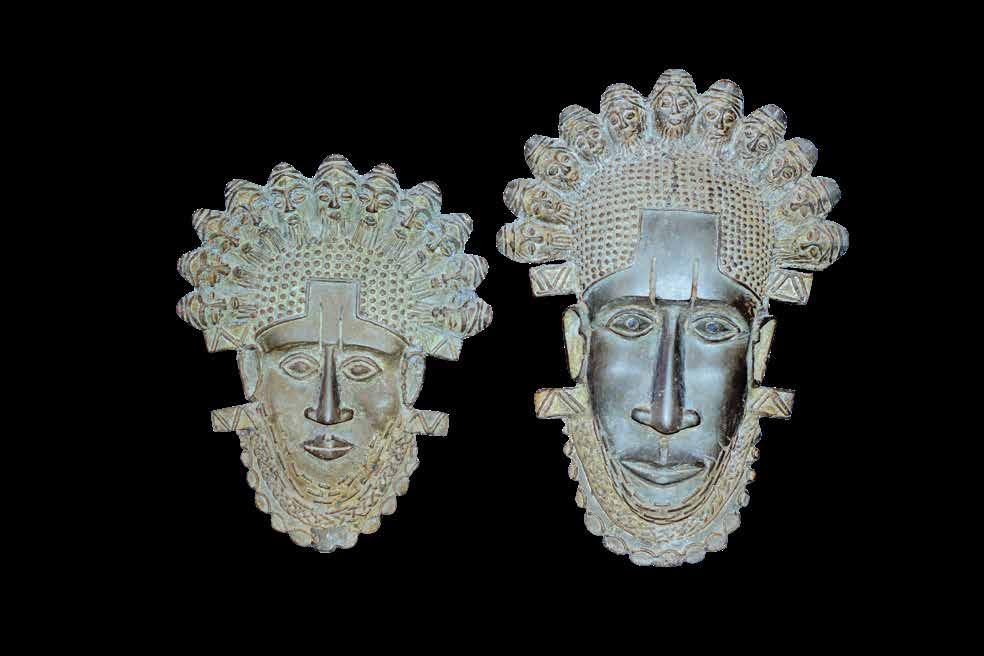
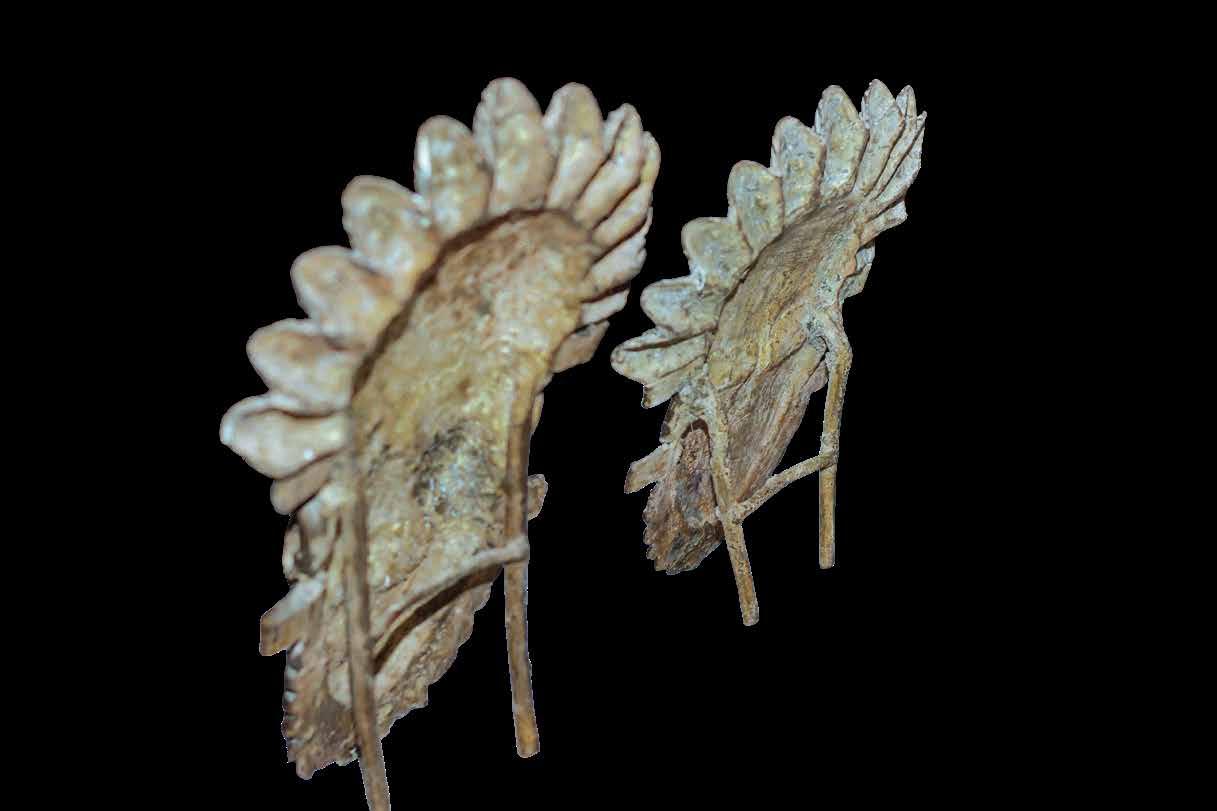
Benin BronzesIfe FESTAC Masks
Cast bronze. The FESTAC mask — emblem of the 1977 Festival of African Culture. A political object and an art object in equal measure.
Artefact 2026.1.8
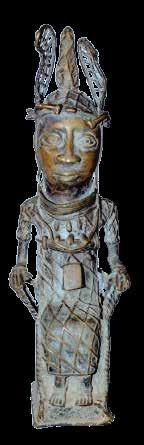
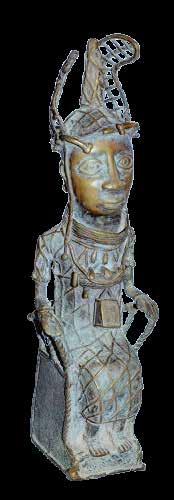
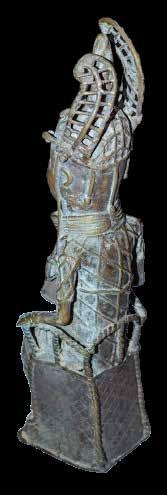
Benin BronzesBronze Sculpture of a Benin King
A standing royal figure in full regalia. Manufactured argument about craft, political authority, and the sophistication of the West African metallurgical tradition.
Artefact 2026.1.9
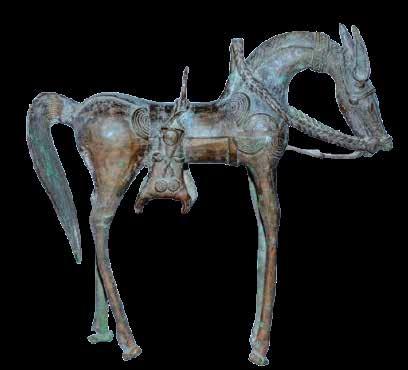
Benin BronzesBronze Sculpture of a Royal Horse
A horse in full ceremonial tack. Bridle, saddle cloth, and trappings rendered with the precision of the lost-wax method.
Artefact 2026.2.0
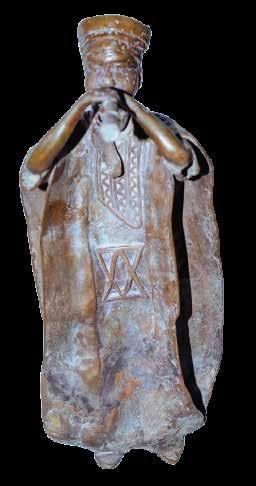
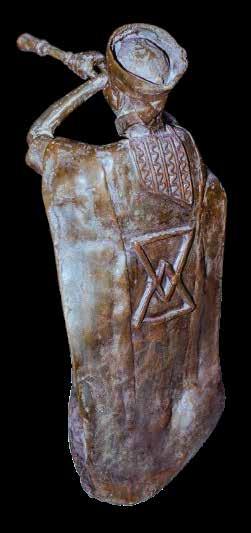
Bronze SculpturesHausa Man Playing a Flute
A musician caught mid-breath. The robes etched with geometric Hausa embroidery patterns; the instrument lifts toward the air.
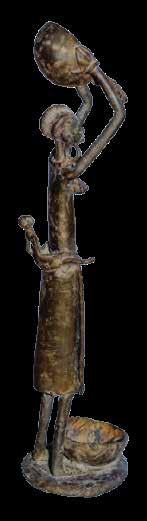
Artefact 2026.2.1
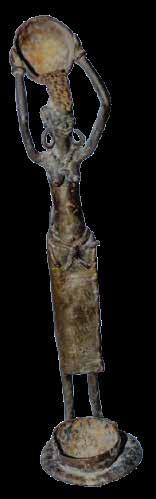
Bronze SculpturesWoman Winnowing Grains with Baby on her Back
Labour and tenderness rendered in bronze. The winnowing fan raised; the child carried against the body.
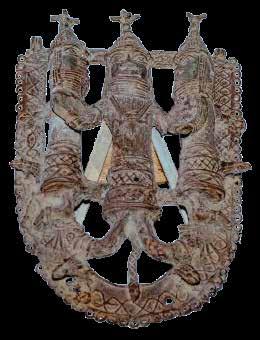
Artefact 2026.2.2
Benin BronzesBenin Plaque: Featuring Soldiers
A court plaque of the type that once lined the palace of the Oba of Benin. Three warriors in formation — political authority cast in metal.
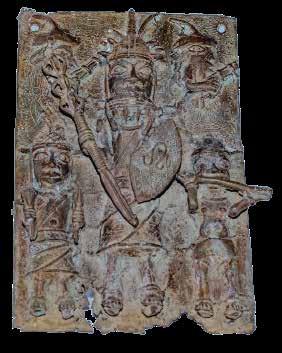
Artefact 2026.2.3
Benin BronzesBenin Plaque: Mounted Soldier
A mounted soldier in high relief. The horse, rider, attendants, and weaponry captured in the moment of procession.
These are not passive acquisitions. Collecting at this level requires the same deliberate attention that competitive sport demands. You have to know what you’re looking for. You have to be willing to wait. What you’re building is not just a personal treasury: it is a record.