The Exhibition
The Collector’s Game
Art, Basketball, and the Private Life of a Public Man

Exhibition audience — Kashim Ibrahim Library, ABU Zaria, January 2026
The Exhibition
Oliver Berdeen Johnson has spent his life around people who understand that objects carry meaning. In basketball, the object is simply a ball, a court, a rim. But what surrounds it is anything but. Trophies. Jerseys. Photographs. The material record of a career, a community, a country’s athletic ambition.
The Collector’s Game puts Coach OBJ’s record into rooms where other people can walk through it. Four rooms, in four cities, across the length of the country.
The exhibition does not ask visitors to simply look. It asks them to think about what it means for a man whose life has been defined by sport to have also spent decades building a collection that speaks to the material history of West Africa.
“What does a man keep? And what does the keeping tell us about who he is?”
What the Exhibition Does
Basketball histories in Nigeria tend to be written through statistics, fixtures, and institutional milestones. Art collections tend to be understood through auction values and provenance debates. What the exhibition asks is a simpler question: what does a man collect, and why?
Visitors will not just see objects. They will be invited into a conversation about what it means to keep things and what gets lost when we do not.
The Technology Thread
One of the exhibition’s intentions is to open a conversation about how Nigerian sport is documented — not just played. The question of how to archive that history and how sport and art can share an archival logic is one the exhibition will pose directly.
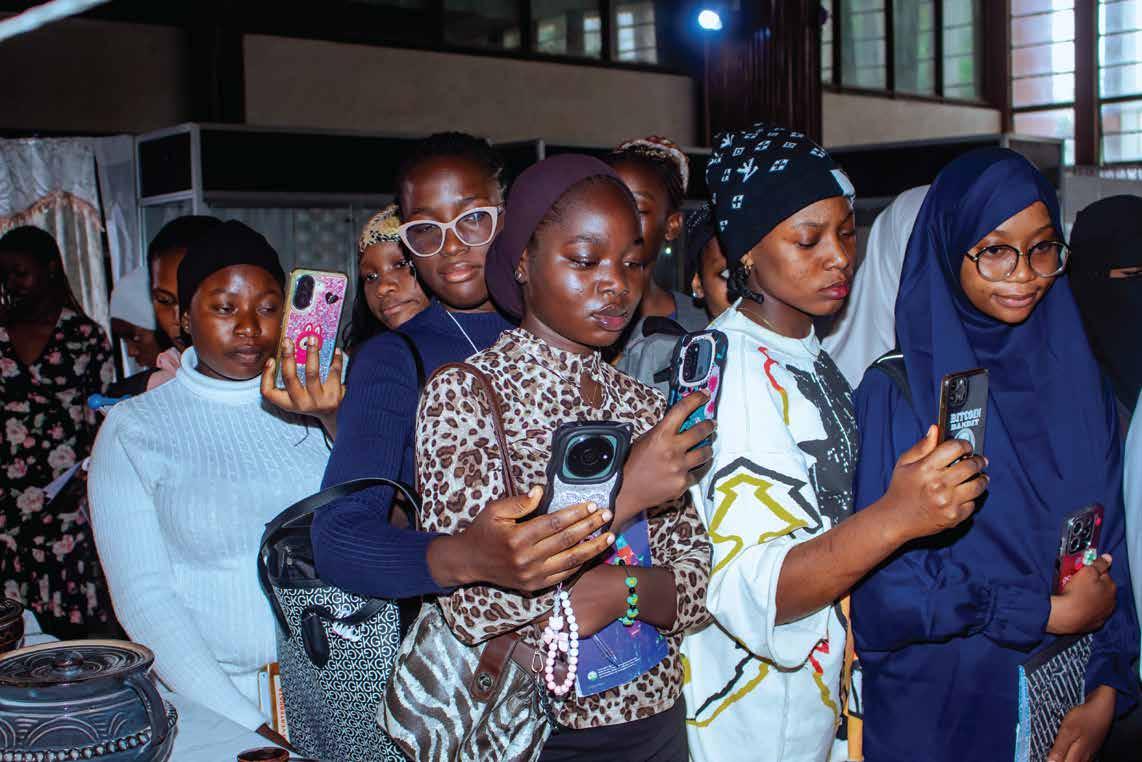
Visitors engaging with the exhibition — ABU Zaria, January 2026
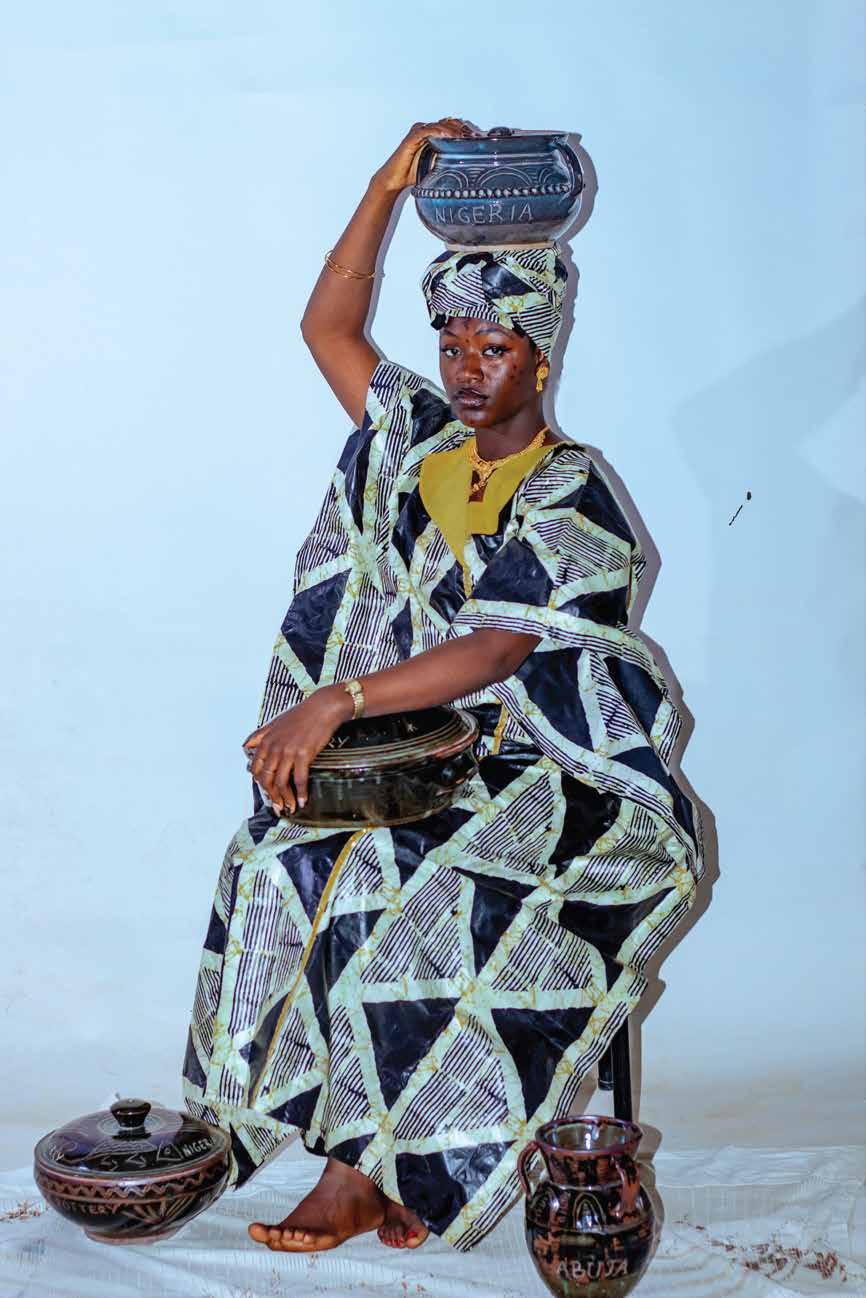
The Ladi Kwali Collection
Objects Built to Outlast Their Makers
The Ladi Kwali Pottery in this collection are some of the very few acquired from the workshop in the 1980s, when the woman on the 20 Naira note was still alive, when Abuja was still Suleja.
The Benin bronzes are not decorative objects. They are manufactured arguments about craft, about political authority, about the sophistication of the West African metallurgical tradition.
The textiles are not just fabric — they are evidence of the cherished art of Batik Design unique to Nigerian Yoruba culture.
Binshi Musa-Bentley with original artefacts from the Ladi Kwali Pottery Collection, Kashim Ibrahim Library, ABU Zaria. Photographed by Akin.